Medical Equipment Enclosure Manufacturer in Bengaluru
Shabari Metal Products is a sheet metal fabricator in Bengaluru building medical equipment enclosures to customer drawings: diagnostic console enclosures, stainless clinical cabinets, medical trolley enclosures and instrument housings in SS 304 and SS 316. Cutting, forming, welding, finishing and assembly all happen in one factory, so edge quality, corner detail and finish stay under one roof rather than chased across subcontractors.
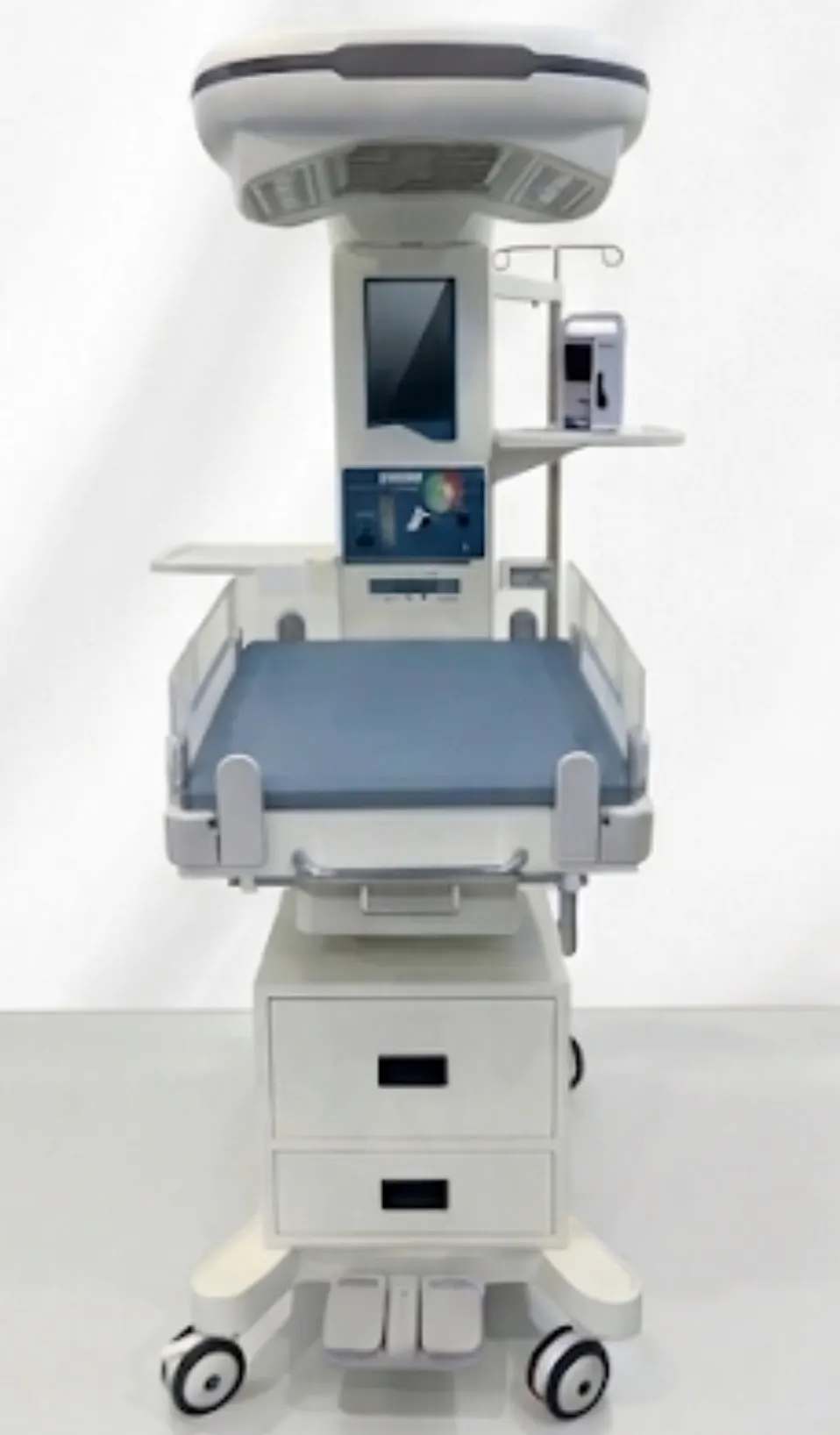
Enclosures we build for medical equipment makers
Medical work in the shop falls into three broad shapes. Diagnostic console enclosures: a stainless chassis carrying a display, an instrument module and cable routing. Clinical cabinets: drawer and door units in SS 304 with radiused corners and soft-close drawer runners. Equipment housings: the shell around an OEM's own electronics, built to your CAD, with ventilation slots, cable entries and mounting patterns punched in a single setup for repeatable hole positions. All three run the same in-house chain: fiber laser cutting holding ±0.1mm with dross-free edges that need no secondary finishing before bending or welding, CNC press brake bending with repeatable angles and consistent radii across long production runs, then MIG, TIG, spot or laser welding. An in-house assembly team builds up complete units rather than shipping loose panels, and a separate QC team runs dimensional inspection on every batch before dispatch.
- Diagnostic console enclosures and medical trolley enclosures
- Clinical storage cabinets with drawers and doors in SS 304
- Instrument and equipment housings built to customer CAD
- Single prototypes through to repeat high-volume production
Choosing between SS 304 and SS 316
The comparison below is general stainless practice, not a measured result from this shop. The difference between the grades is molybdenum: SS 316 carries roughly 2-3%, SS 304 none. Molybdenum resists chloride pitting, the localised attack from saline, bleach-based disinfectants, sterilant residue and coastal salt air. For furniture-type work wiped with a standard quaternary or alcohol cleaner, SS 304 is the usual default: it forms and welds well, takes a brushed finish and costs less. SS 316 is the normal move where hypochlorite is used routinely, in sterilisation and reprocessing areas, where fluid stands on the surface, or on humid coastal sites. Mixing grades in one assembly is fine mechanically, but adjacent 304 and 316 panels will not match visually.
Hygienic detail worth specifying on a clinical enclosure
Cleanability and handling safety come down to three drawing decisions. Radiused corners. Sharp internal corners trap fluid and cannot be wiped out. A generous radius on trays, drawer boxes and recesses lets a cloth reach the corner; externally it removes the edge that catches gloves and gowns. The stainless medical cabinets built here use radiused corners. Deburred edges. Parts go out with smooth deburred edges and fully deburred internals. Not cosmetic: a burr under a gasket is a leak path, and a burr under powder coat is where coating fails first. Dressed welds. Seams are dressed so they survive finishing without rework. If a visible seam must also be blended into the brushed grain, mark that on the drawing as a cosmetic requirement. On sealing, as neutral background: IP ratings under IEC 60529 use two digits, solids then water. Gasket grooves and continuous seam welds can be fabricated to your drawing, but the rating itself exists only once the assembly is tested at an accredited lab.
Finishes for clinical surfaces
Three finishing routes run in house. Brushed stainless is the usual choice for clinical exteriors: it is stainless through the section, so a scratch does not expose another substrate, and the grain hides light scuffing. Mark grain direction on the drawing, because a panel brushed across its neighbour's grain is obvious once assembled. Powder coating suits colour, branding and non-stainless internal structure, and as a general coating rule depends on a properly deburred and cleaned substrate. Zinc plating is corrosion protection for internal steel parts and hardware, not a cosmetic clinical finish. Tell us which cleaning agents the equipment will meet; disinfectant chemistry usually decides the specification.
Design notes worth checking before you send the drawing
The notes below are generic sheet metal practice rather than anything specific to one supplier, and cost is largely settled at drawing stage. Stainless is what catches designers used to mild steel: SS 304 work-hardens more than CRCA, so a bend radius comfortable in mild steel can crack or orange-peel, and springback is larger. Laser cutting suits medical parts because there is no tooling to amortise and an aperture can change between revisions without a new punch tool; turret punching wins on high quantities of repeated holes, louvres and ventilation patterns. Our engineering desk will review the drawing before you commit a revision.
- Inside bend radius: at least equal to material thickness, more for stainless
- Hole to bend line: at least 2.5x thickness plus bend radius, or expect distortion
- Hole to edge: at least 2x material thickness, or the wall bulges during punching
- Add bend relief where a flange ends mid-part, otherwise the corner tears
- Mark grain direction and the cosmetic face on every drawing
Working with a medical equipment enclosure manufacturer in Bengaluru
Send DXF, DWG, STEP or PDF; if you only have a sketch or a sample part, we can work from that and produce the drawing. Our engineering desk reviews drawings and responds within 24 business hours. We handle single prototypes through to repeat high-volume contract manufacturing, and prototype runs are quoted the same way as production orders. On paperwork: Shabari Metal Products has fabricated sheet metal in Bengaluru since 2006 under proprietor Sathish Kumar P, is MSME registered, and ISO 9001 certification is in progress, so the company is not certified yet. Mill test certificates are available on request. We supply customers across Bengaluru, Karnataka and the rest of India, and produce export-quality work for overseas shipment. Factory and office: No 197 & 196 Shabari, 1st Cross Road, Achappa Layout, Shrinketh Layout, Singapura, Bengaluru, Karnataka 560090, in the wider Abbigere locality. Phone +91 99453 80273 or +91 97424 04052, email sales@shabarimetals.in, GSTIN 29BKEPS6457E1ZQ.
Common questions
Do you manufacture stainless steel medical enclosures to custom drawings?
Yes. Shabari Metal Products builds diagnostic console enclosures, clinical cabinets, medical trolley enclosures and equipment housings to customer drawings in SS 304 and SS 316, as well as CRCA, GI, aluminium and copper. Send DXF, DWG, STEP or PDF, or a sketch or a sample part, and we can produce the drawing from that. Single prototypes and repeat high-volume production are quoted the same way, and our engineering desk responds within 24 business hours.
Should a medical enclosure be made in SS 304 or SS 316?
As general material guidance, SS 304 suits most clinical furniture and console work wiped with standard alcohol or quaternary cleaners, because it forms well, takes a brushed finish and costs less. SS 316 contains molybdenum, which resists chloride pitting, so it is the usual choice where hypochlorite disinfectants are used routinely, in sterilisation and reprocessing areas, where fluid stands on the surface, or for humid coastal installations. Both grades are fabricated here.
Is Shabari Metal Products ISO certified for medical work?
The company is MSME registered and ISO 9001 certification is currently in progress, so it is not certified yet, and it holds no ISO 13485 certification. Quality control is handled in house by a separate QC team that runs dimensional inspection on every batch before dispatch, and material can be supplied with mill test certificates on request for your incoming inspection records. Ask us directly if your programme requires a certified supplier.
How are stainless medical cabinets finished so they can be cleaned?
Clinical surfaces are normally finished in brushed stainless, which stays stainless through the section so a scratch does not expose another substrate. Cleanability comes down to three drawing-level decisions: radiused internal corners, deburred edges and dressed weld seams. The stainless medical cabinets built here use radiused corners, edges go out deburred, and seams are dressed so they survive finishing. Powder coating and zinc plating are available where colour or internal corrosion protection is needed.
Plan your fabrication order
Prepare the specifications that help us review your drawings and quote accurately.
Send us your drawing
Send a DXF, DWG, STEP or PDF — or a sample part if there is no drawing. Our engineering desk reviews drawings and responds within 24 business hours.